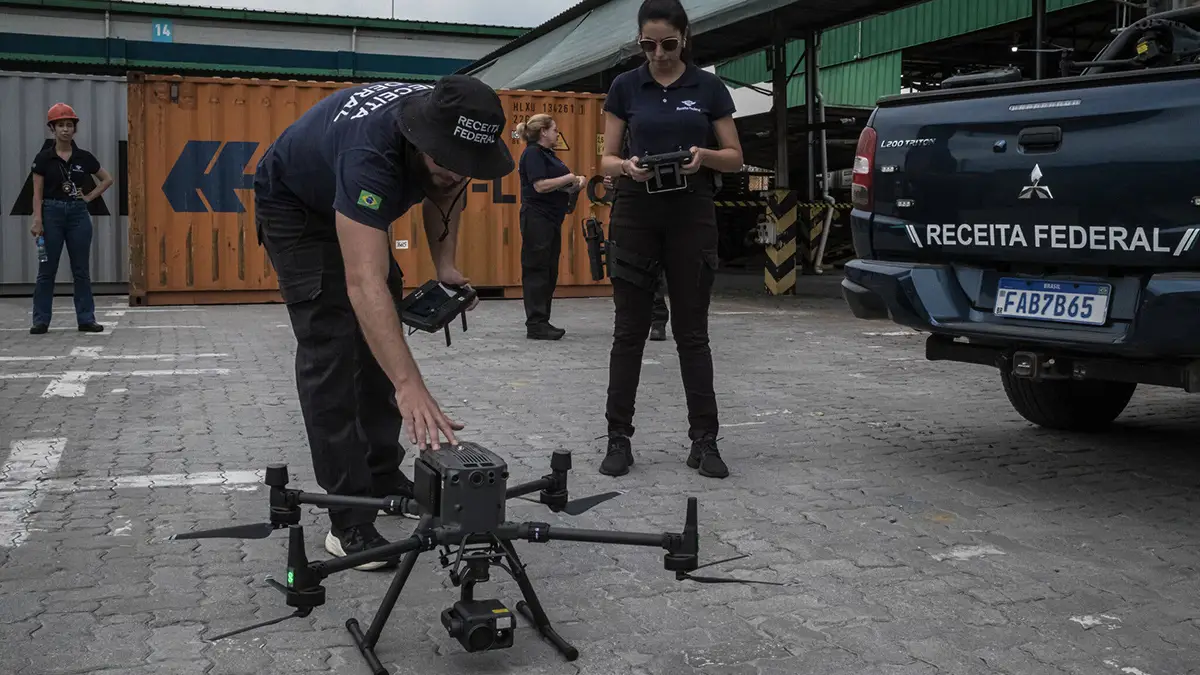
Cooperation between the United States and Brazil on combating transnational organized crime is being tested by a diplomatic dispute over visas for law enforcement personnel, according to a report by The New York Times. The friction, which includes withheld postings for police attachés in both countries, comes at a moment when criminal networks operating across Latin America have grown more sophisticated and better resourced than ever.
For companies operating in frontier and emerging markets, episodes like this one are a reminder that security cooperation between governments is not a fixed condition. It shifts with the political cycle, and those shifts can directly affect the operating environment for corporates in mining, energy, and natural resources who depend on stable rule-of-law conditions and functioning cross-border enforcement to protect assets, personnel, and supply chains.
Ambassador Jimmy Story, a GFA Partner and former U.S. Ambassador to Venezuela, was quoted in the article on the stakes of the current impasse: “We want to have Brazil closer to the United States, not further away. And this kind of diplomacy has the opposite effect.”
Understanding how diplomatic relationships translate into operational risk, and knowing when and how to engage the right channels, is central to how GFA advises clients navigating complex jurisdictions across the hemisphere.